
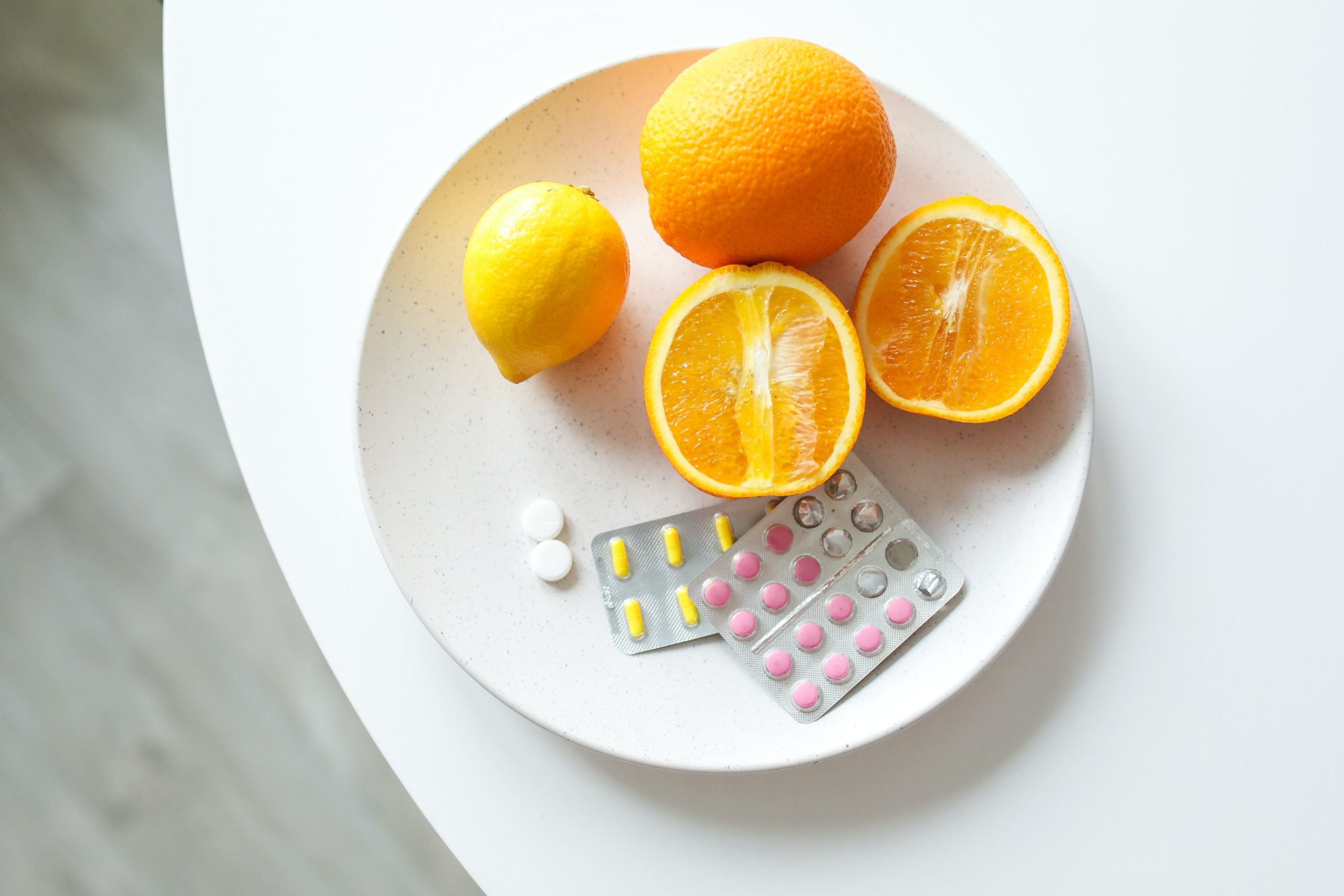
How?
First, you need to consult with your doctor to discuss your drug or medicine history. It is very much essential to adjust or revise the list as per the requirements or recommendations received from the doctor(s).
Sometimes, it is noticed or evaluated that some of the drugs or medicines consumed regularly are proven unessential or ineffective. The ultimate result is a waste of money that could be used for fulfilling other requirements. These may result from infrequent visits or consultations with the doctors or the unavailability of health care services to the patients.
Here, it is the main concern to ensure the proper nutritional status of an individual which is determined by food, health, and care opportunities. So, the approach of removing or reducing the list of drugs or medicines from the list may be proved beneficial for the short, mid, and long term for the following reasons:
- It would reduce drug(s)-drug(s), drug(s)-nutrient(s), and drug(s)-disease(s) interaction.
- It would also reduce the burden of chemical consumption such as polypharmacy, unstable cocktail, etc.
- It would reduce daily expenditure on medicine.
- It would create opportunities for increasing expenditure on healthy foods (such as fresh and healthy locally available foods), non-pharmaceutical alternatives, and care facilities.
- It would increase the bioavailability of nutrients consumed.
- It would create an opportunity for reducing the unhealthy burdens following different available cost-benefit and cost-effective alternatives.
- ..
If you are interested to learn more about the consequences of taking unnecessary medicine or excessive medicine, you can visit the following links:
Modifying the list is not an easy and simple task. It depends on several factors such as the expertise or consultations of doctor(s), health conditions, disease profile of the patient(s), etc. Sometimes, it also may be affected by the expectation of the patients getting secondary benefits from the caregivers, especially family members, as well as habits of taking a lot of medicine daily or regularly. So, proper counseling and education are needed to create awareness among mass people or deal with the issue to improve overall the nutritional status of individuals and nations. Let’s try to convince the patient with a new preferred food as a replacement for medicine.
We may develop a new or modify an existing exchange table (medicine to food items) for different ages, diseases, physiological conditions, and mealtimes.
Here we can focus on the medical or functional values of foods to formulate the lists. It may help to provide nutritional, medicinal, financial, etc. benefits simultaneously when used for an unnecessary drug or medicine used for the short, mid, or long term. Thus, we may protect and support the health of different age groups from being vulnerable to malnutrition and disease.
If you are interested, please visit following links:
Sharing Meals: May Be A Practical Option To Maintain Individual Weight | Learn Nutrition Online
A Big Concern: Is It Safe Or Unsafe To Use Apple Cider Vinegar Regularly? | Learn Nutrition Online
Walk More, Eat More! | Learn Nutrition Online
For more reading, please visit the following links:
How can I reduce my number of daily medications? – Harvard Health
How to Safely Reduce the Medications You Take (usnews.com)
How Adopting Simple Health Measures May Help You Reduce Your Medications
How to Use Food as Medicine: Food List and Examples | U.S. News
Where food meets medicine – Mayo Clinic Press
(Continued.)
*Featured image credit goes to https://www.pexels.com