
Food, which is a basic need to be safe and healthy, to meet our needs based on our demands in different conditions such as age, sex, physical activities, etc. To meet the demand, we have to buy and consume diversified foods. It also varies based on our daily, social, and other needs regularly or occasionally. In addition, both purchase and consumption are affected by multiple factors to which we are exposed in the short and long terms. These could make a change in our purchase and consumption habits. Ultimately, our nutritional intake varies, which affects our health and nutritional status. So, it is very important to take deciding based on research-based evidence instead of fake and non-scientific claims flooding social media and being influenced by non-professionals.
People sometimes get motivated to buy goods or services after watching videos on social media like Facebook, YouTube, etc. Considering nutritional aspects, one needs to raise a few questions, like the following, to maintain the quality and standard of life.
1. Is someone more interested in selling his or her goods or services than educating you?
2. Aren’t you buying products that are unavailable to you?
3. Are those things cheaper?
4. Can you afford those for the long term?
5. Do you have alternatives to get similar or even more benefits with the same expenditure?
6. Are those goods or services safe?
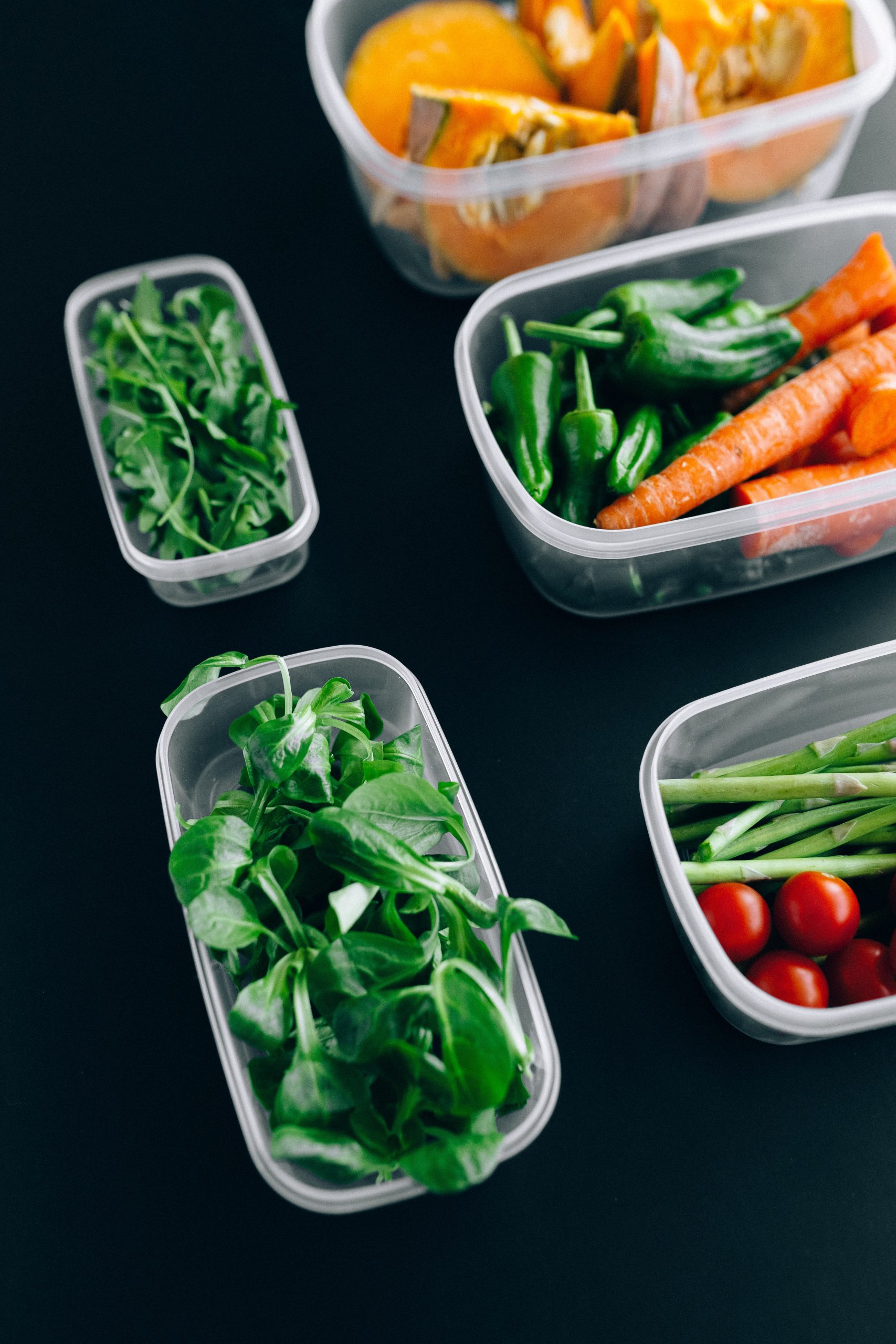
Related questions would settle down your emotions to take the right decisions regarding food, health, and care-related unnecessary expenses. For example, if you buy a recommended product with five hundred Taka per month, then you will be able to buy 10-50 units or even more diversified leafy and nonleafy vegetable units with the same amount of money in Bangladesh per month. Which one is better for your health? Diversified leafy and non-leafy vegetables help you to get better nutrition than a single recommended product.
Sometimes people get used to different chemicals, hoping that they will help them to control their food intake. There is a fair chance of getting adulterated and contaminated chemicals in Bangladesh when people create a huge demand and become dependent on them. in addition, harmful chemicals may cause damage to your gastrointestinal tracts such as denaturing cell receptors or cell lines, etc. Thus, both limited or excessive use of chemicals or adulterated foodstuffs for the short or long term would deprive you both financially and Healthwise.
So, do not get easily motivated to buy a product that is not a permanent solution for you. It is better to develop a habit of buying natural, cheap, and locally available unprocessed food items to make you healthy and happy effectively.
If you are interested, please visit following links:
Sharing Meals: May Be A Practical Option To Maintain Individual Weight | Learn Nutrition Online
Increase Diversified Food And Nutrient Intakes By Following Simple Steps | Learn Nutrition Online
Excess Animal Protein Intake By Imbalanced Diet. Good Or Bad? | Learn Nutrition Online
For more learning, you may visit following links:
Suggested Servings From Each Food Group | American Heart Association
The Control of Food Intake in Humans – Endotext – NCBI Bookshelf
The circadian regulation of food intake | Nature Reviews Endocrinology
Nutrient Recommendations and Databases
New thinking on daily food goals – Harvard Health
DRI Calculator for Healthcare Professionals | National Agricultural Library
*Featured image credit goes to https://www.pexels.com